Mapping Air Pollution Sources
with Sequential Transformer Chaining
A Comprehensive Case Study in South Asian Industrial Estates•NeurIPS 2024
Percentage of irrelevant data filtered out
Data manually annotated after transformer chaining
SO₂, NO₂, and CO concentrations
Annotated chimney detection dataset
Novel multispectral chimney index
Acute Respiratory Infection hotspots
ViT and Remote CLIP models applied
Final accuracy after manual annotation
Detection rate in Patparganj Industrial Area
Detection rate in Sundar Industrial Estate
Detection rate in Tongi Industrial Estate
1Data Collection
- •Sentinel-5P satellite data (SO₂, NO₂, CO)
- •High-resolution imagery (0.5m/pixel)
- •Health data from 15+ regional hospitals
- •Meteorological patterns & wind data
2AI Processing Chain
- •Enhanced Vision Transformer (ViT)
- •Dual Remote CLIP refinement
- •Advanced GAN enhancement
- •Expert verification system
3Analysis Framework
- •Chimney Index computation
- •Density mapping algorithms
- •Temporal emission analysis
- •Health correlation metrics
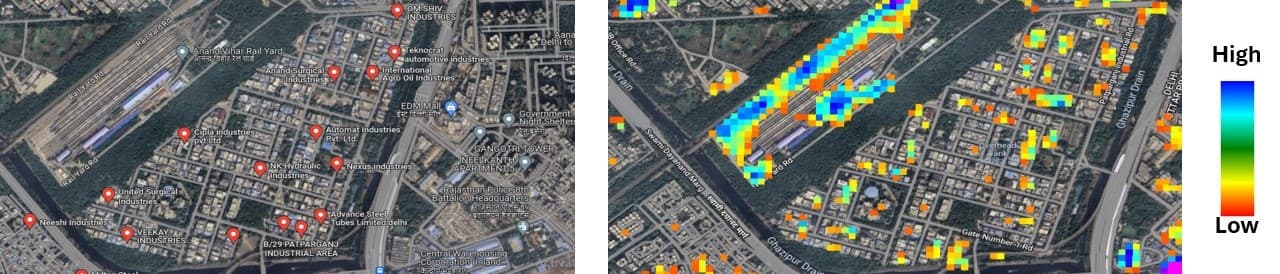
Delhi-NCR Analysis
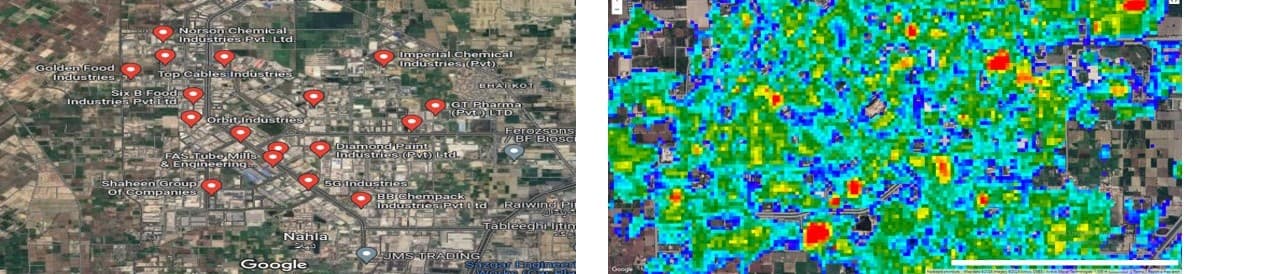
Lahore Analysis
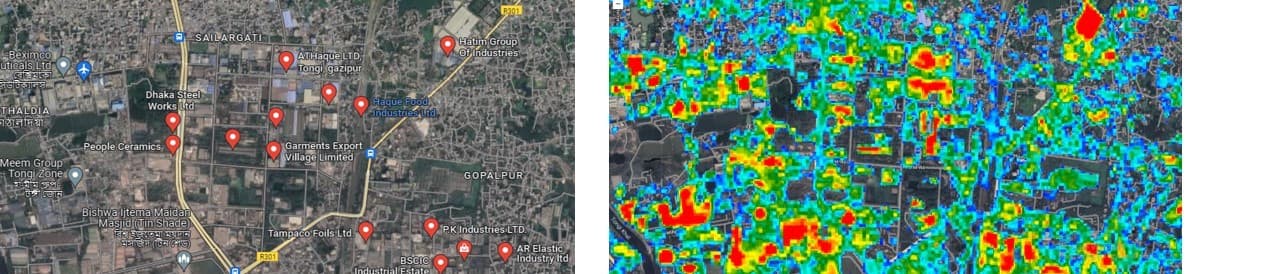
Dhaka Analysis
Acute Respiratory Infections(ARI) Hotspots
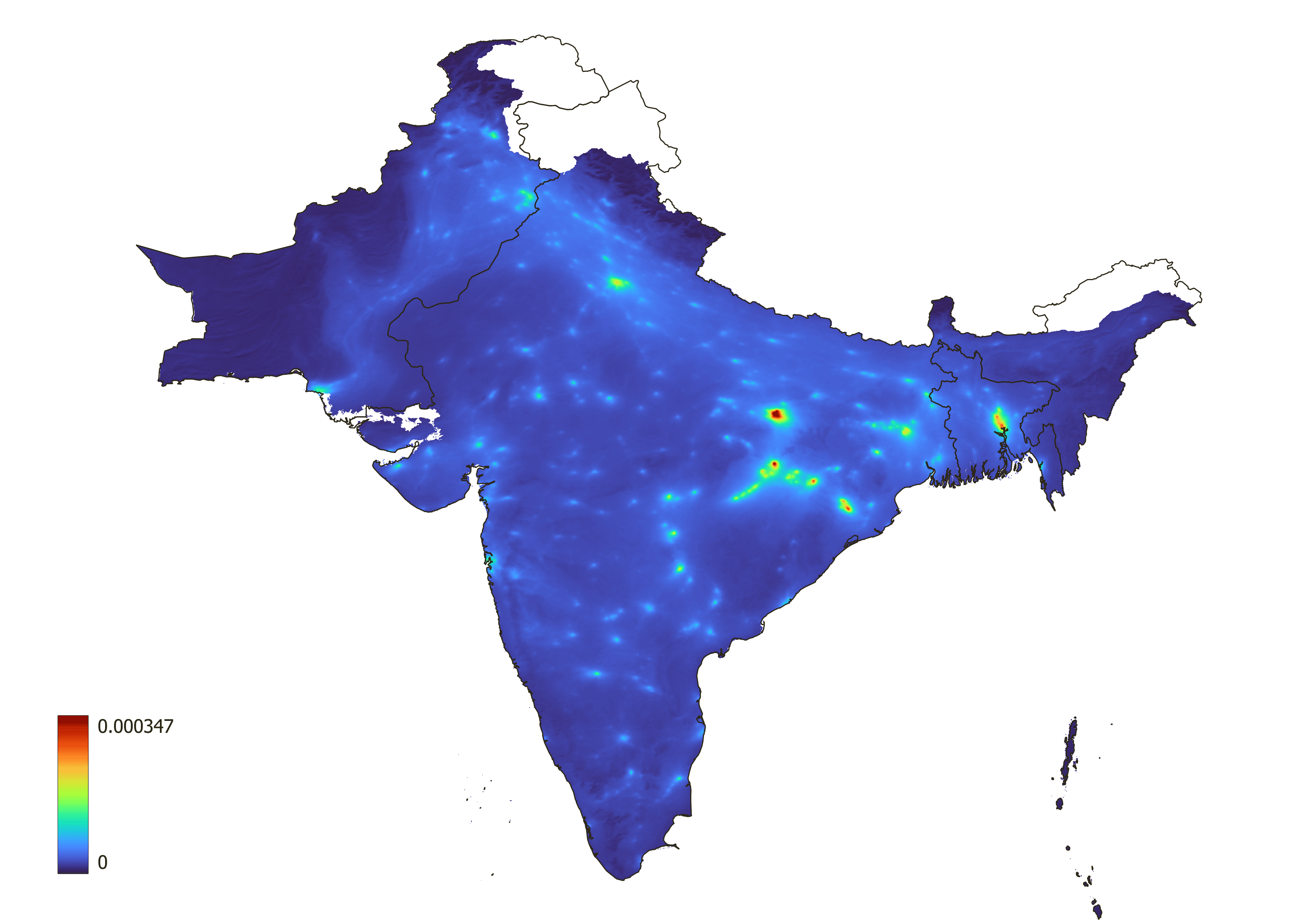
NO₂ Levels
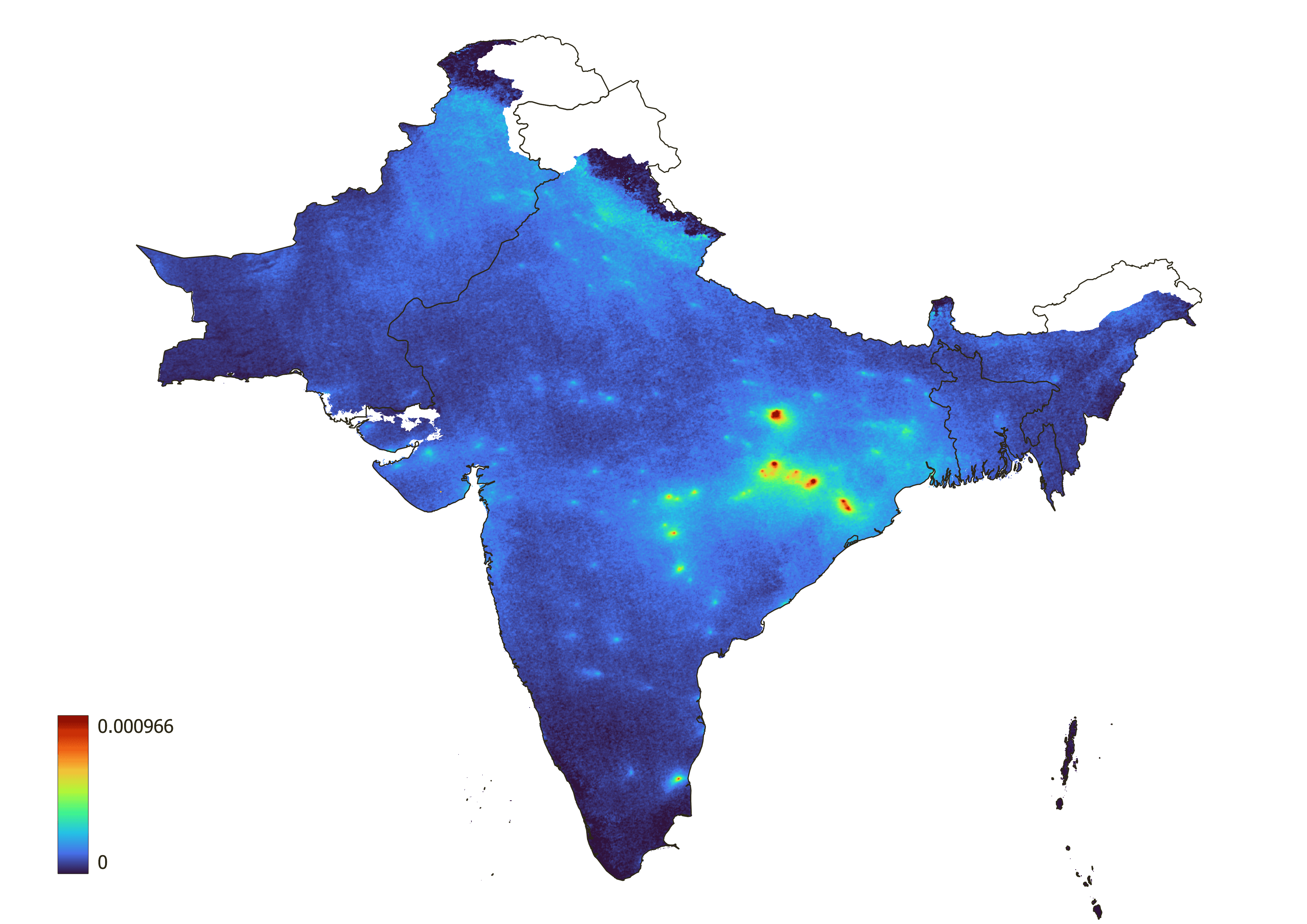
SO₂ Levels
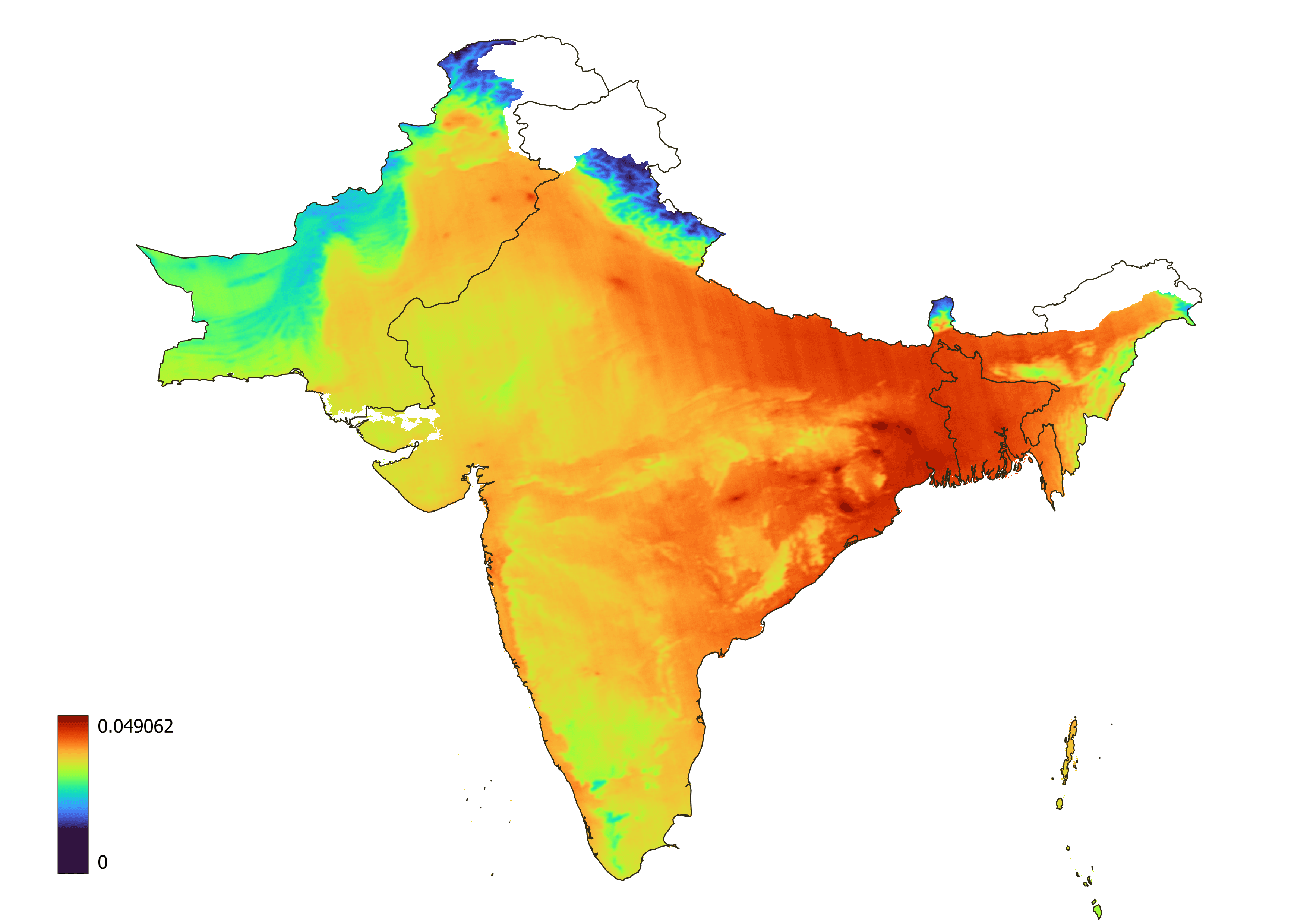
CO Distribution
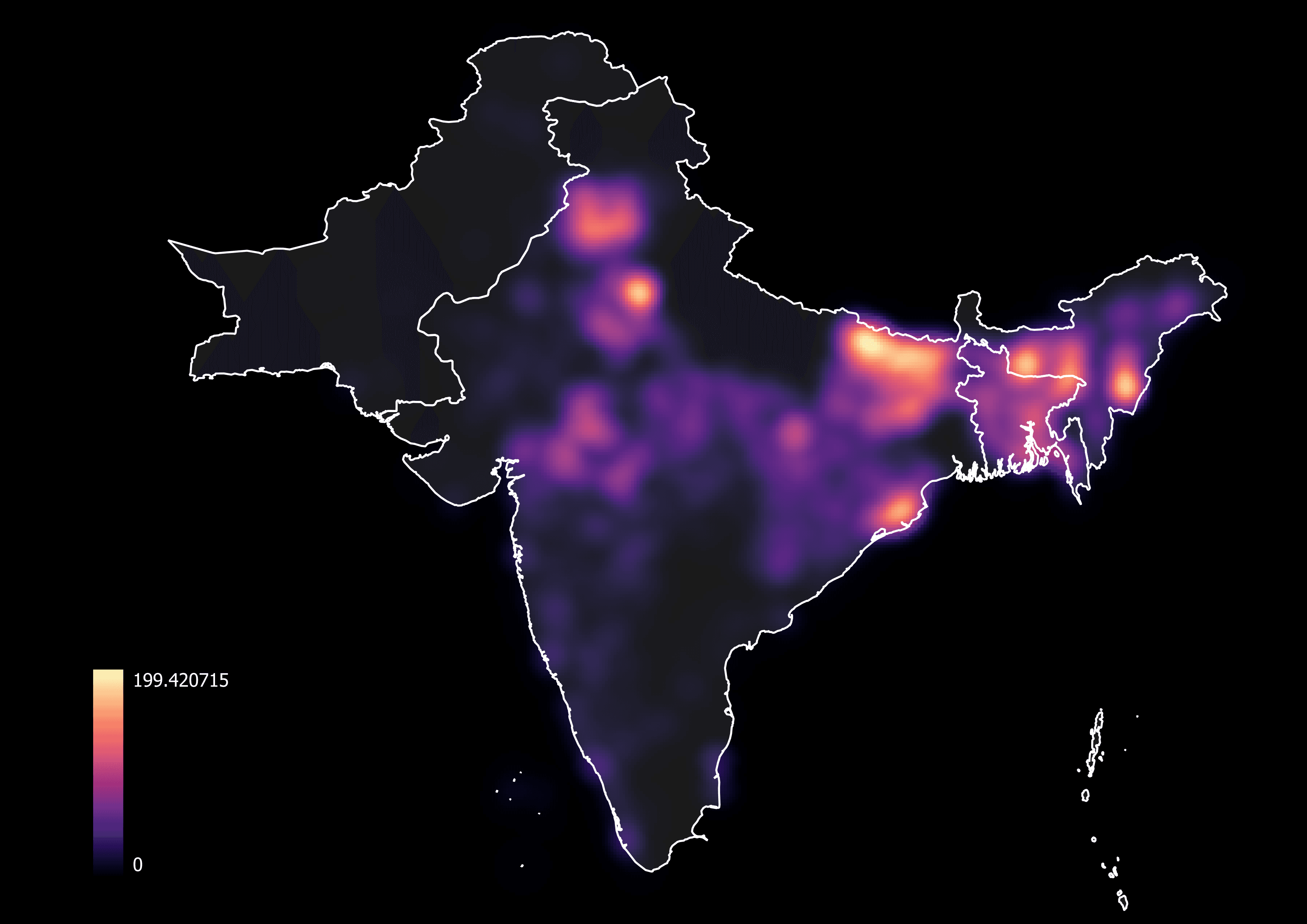
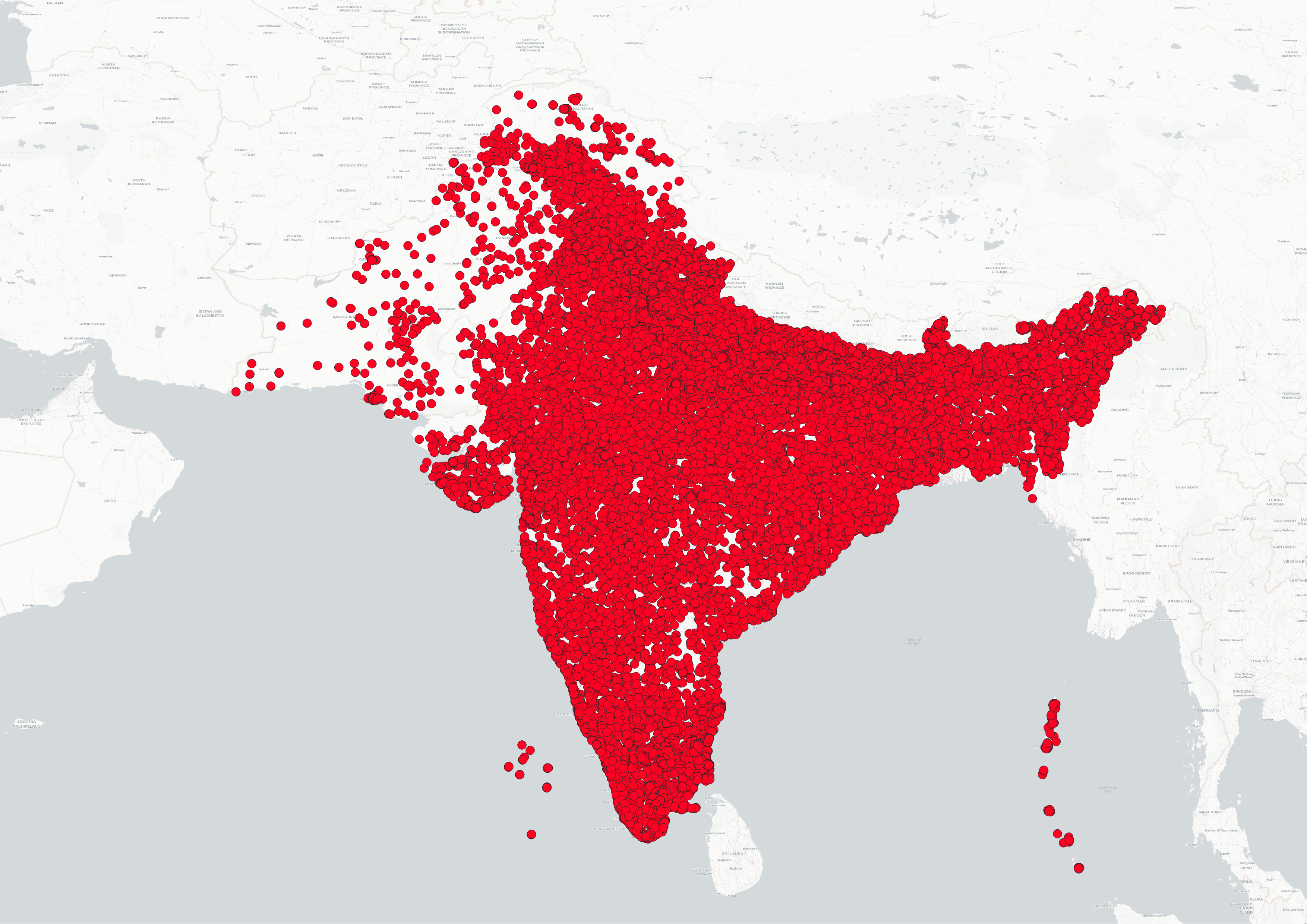
South Asia Combined Analysis
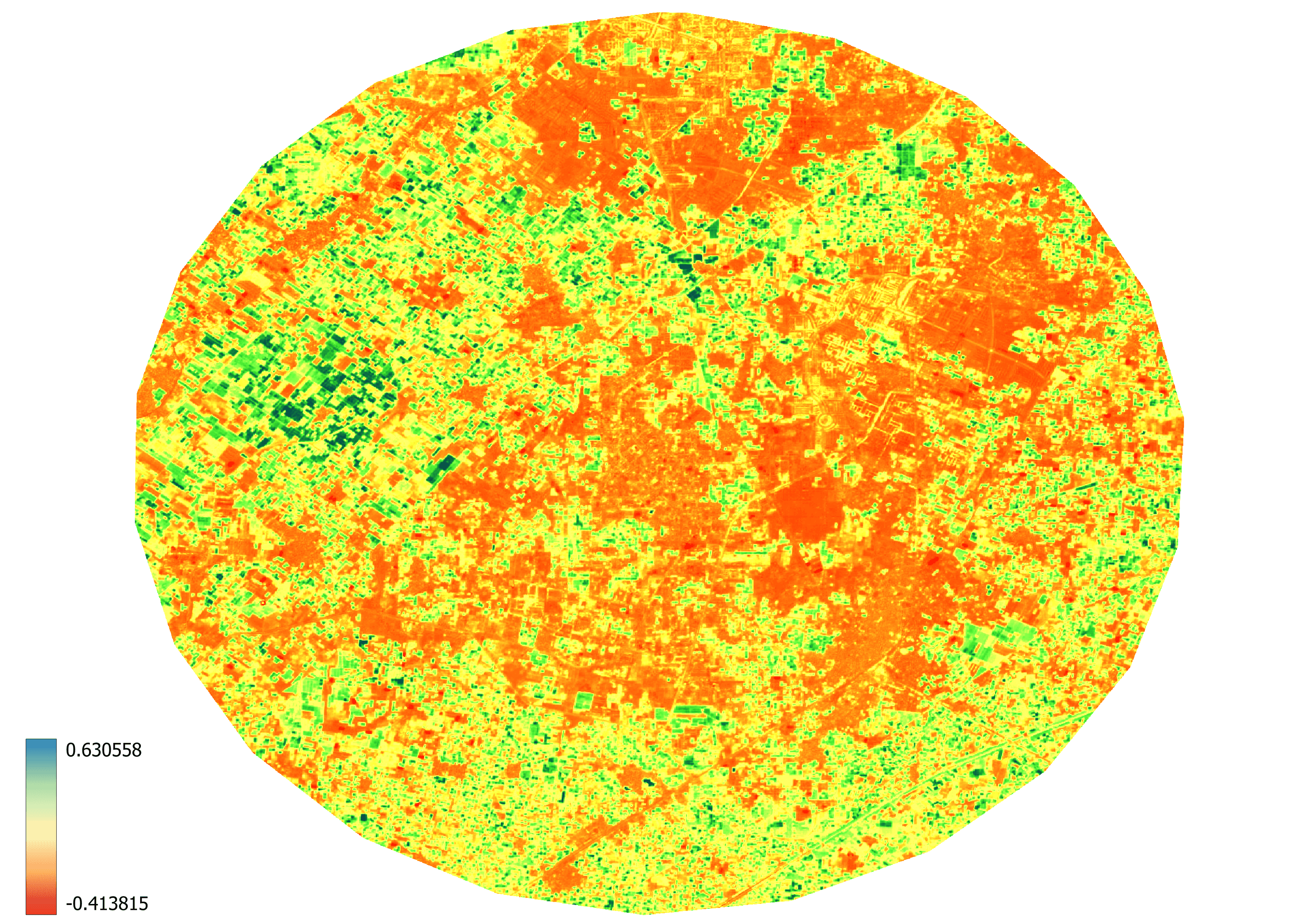
Pakistan Vegetation Index
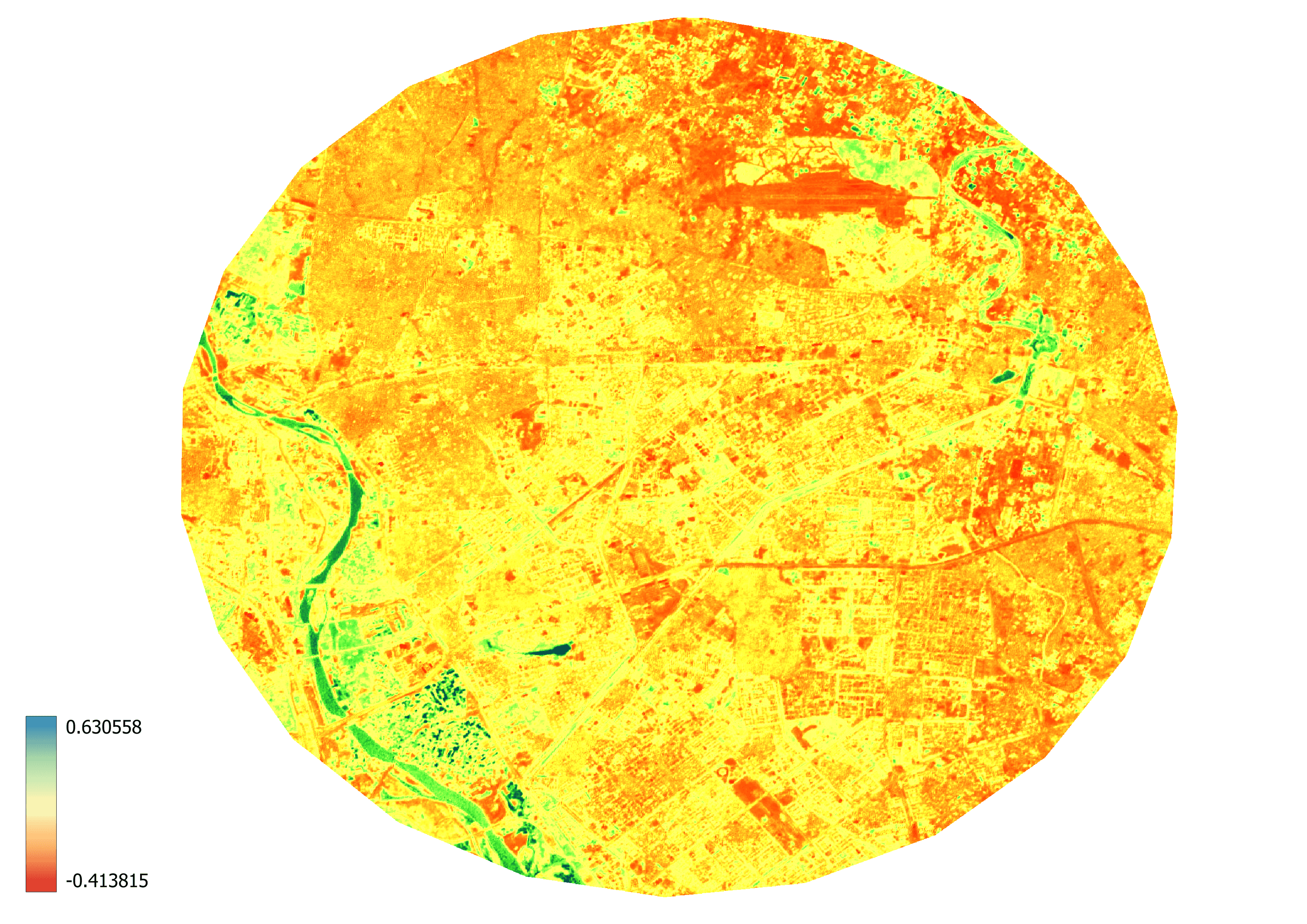
India Vegetation Index
Our study presents a comprehensive framework for detecting pollution sources, specifically factory and brick kiln chimneys, in major South Asian cities using a combination of remote sensing data and advanced deep learning techniques. The sequential transformer chaining method effectively filters out 99% of irrelevant data from high-resolution imagery. This approach provides actionable insights for public health interventions and supports regulatory measures aimed at achieving the United Nations' Sustainable Development Goal 3 on health and well-being.
Key Achievements:
- Developed a comprehensive framework for detecting pollution sources in South Asia
- Sequential transformer chaining filters out 99% of irrelevant data
- Introduced a unique annotated chimney detection dataset improving detection accuracy
Future Directions:
- Plan to make the dataset and code publicly available after acceptance